Thermal Science
Dental Implant Drill Heat Generation: How to Stop the Silent Killer of Osseointegration
Thermal damage is one of the leading preventable causes of implant failure. Understanding heat generation, and how to control it, is critical for predictable outcomes.

Why heat matters during implant site preparation
Bone is a living tissue. In the classic rabbit experiments, bone held above 47°C for about a minute showed osteocyte death, a process known as thermal osteonecrosis. Thermally injured bone integrates poorly with the implant fixture, which can lead to fibrous encapsulation, micromotion, and implant failure.
Published research consistently identifies excessive heat as a leading factor in early implant failure. And the primary source of that heat is the drilling process itself.
Where does the heat come from?
Heat during implant drilling is generated by friction between the drill and bone. Three factors control how much heat reaches the osteotomy walls:
1. Drill sharpness
A dull drill requires more pressure and generates more friction. Stainless steel drills lose their cutting edge after ~20 uses, meaning heat generation increases with every procedure.
2. Drill material thermal conductivity
Materials with low thermal conductivity trap heat at the cutting site. Steel conducts heat at just 18 W/m·K and acts as an insulator, concentrating thermal energy in the bone.
3. Number of drill passes
Each sequential drill pass adds cumulative thermal load to the osteotomy. A 5 to 8 drill protocol exposes bone to heat far longer than a 2-drill protocol.
The 47°C reference point: what the research says
Eriksson and Albrektsson's landmark 1983 rabbit study reported thermal injury in bone held at 47°C for 60 seconds. It remains the most-cited experimental reference for heat-induced bone injury, but it is a reference point rather than a universal threshold. Later research has reported that even temperatures in the 42 to 44°C range can impair healing when sustained.
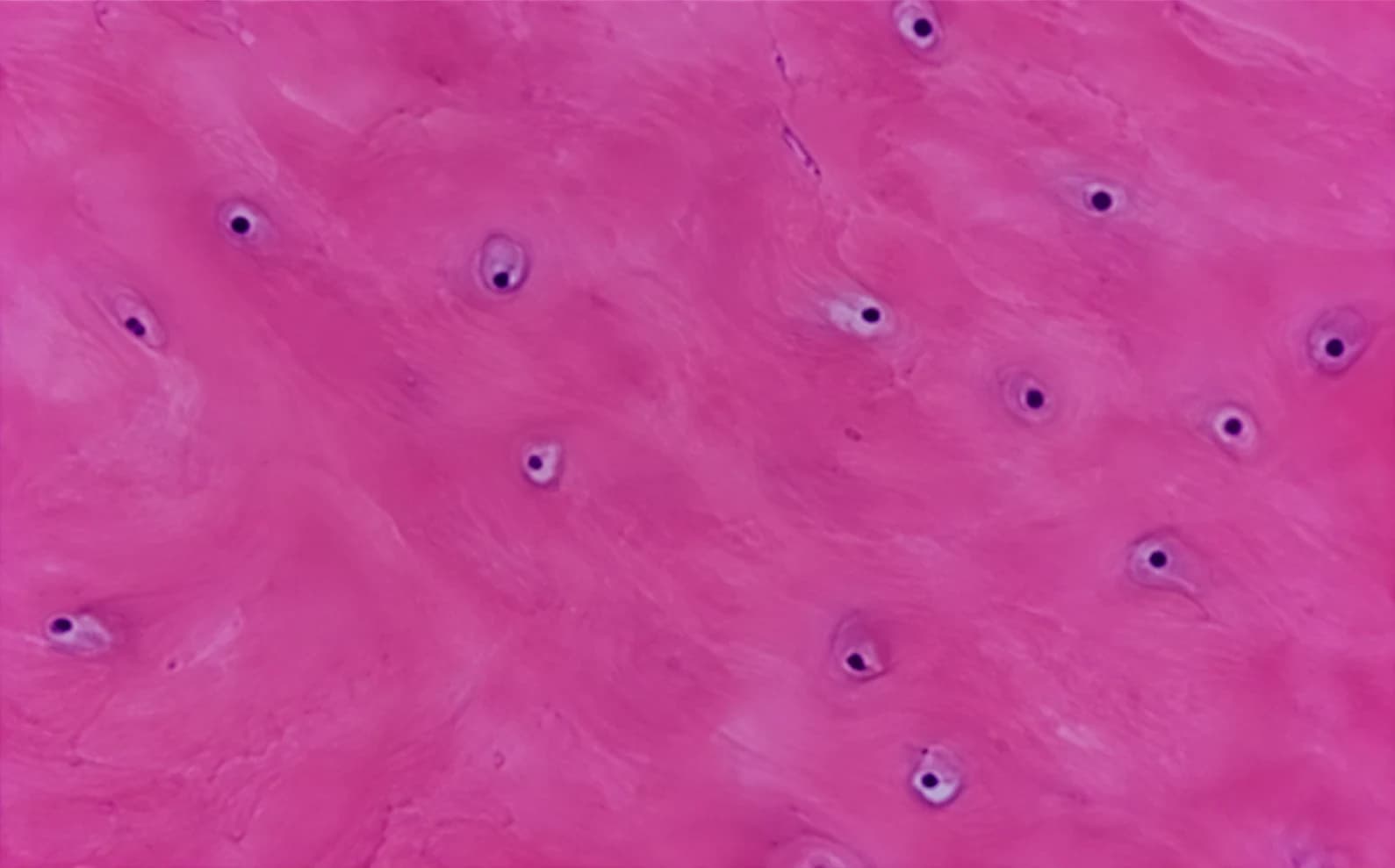
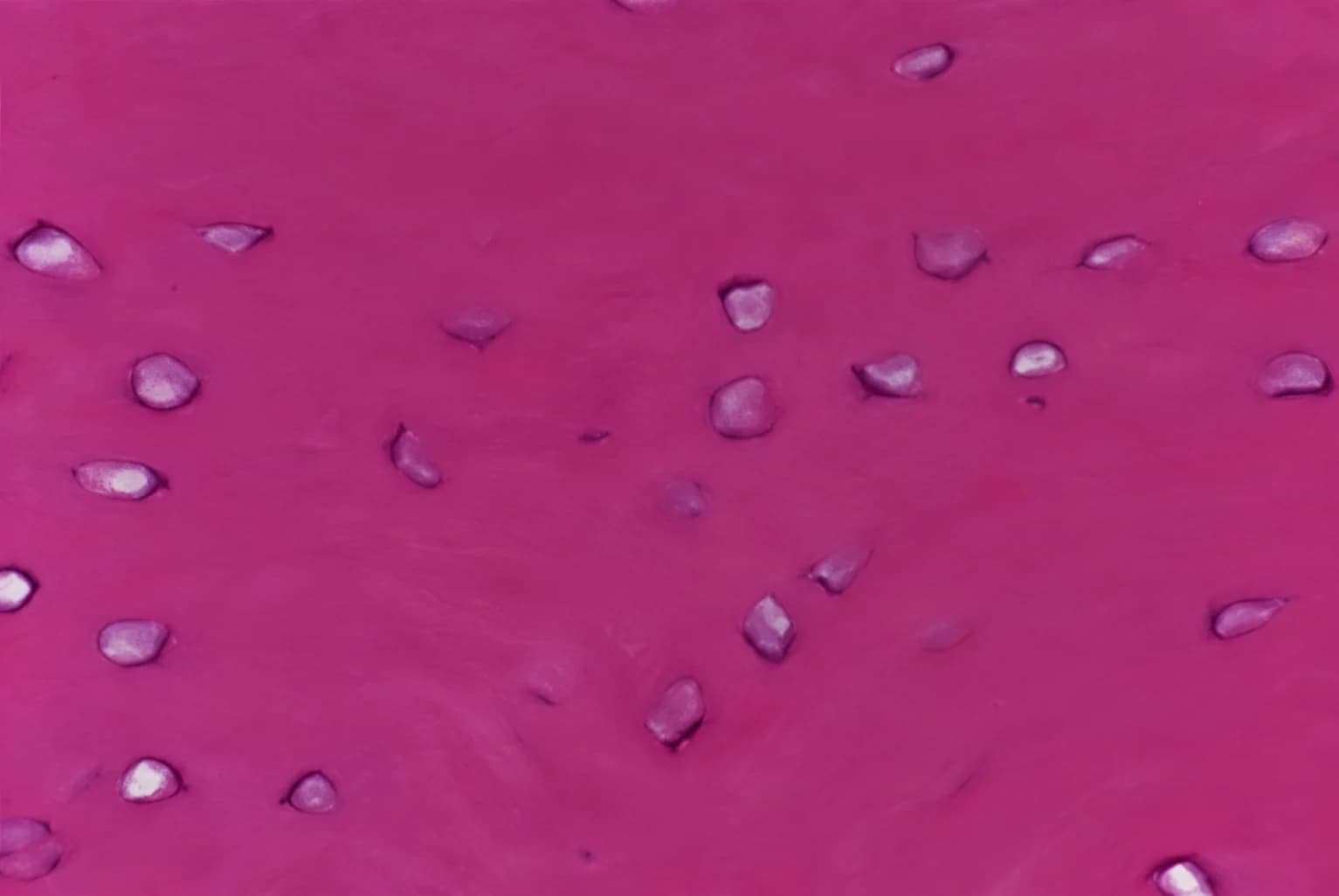
Standard protocols attempt to manage this with copious irrigation during drilling. But irrigation only addresses the symptom; it doesn't solve the underlying problem of poor heat dissipation in steel drills. If the drill material itself conducted heat away from the bone efficiently, the thermal risk would be fundamentally reduced.
Irrigation has another, less obvious limitation in modern practice. In guided implant surgery the guide sleeve restricts saline flow between the irrigation source and the cutting edge, which is why peak osteotomy temperatures during guided drilling often exceed the same drill freehand. We cover that scenario in detail in heat in guided implant surgery.
How tungsten carbide changes the thermal equation
Tungsten carbide has a thermal conductivity of 110 W/m·K, six times higher than stainless steel's 18 W/m·K. This means carbide drills actively pull heat away from the osteotomy site rather than trapping it.
Combined with the fact that carbide maintains a sharp cutting edge indefinitely (VP10X Vickers hardness ~1,600 HV30), the result is dramatically lower friction and dramatically better heat transfer. In-vitro testing on bovine rib confirms that Crown Down tungsten carbide dental implant drills produce substantially lower temperatures than equivalent steel drills at the same RPM.
Stainless steel
18 W/m·K conductivity
Traps heat → high necrosis risk
Tungsten carbide
110 W/m·K conductivity
Dissipates heat → safer osteotomy
See the Crown Down difference
One kit, two drills per site, and a wear-proof carbide system designed to eliminate routine drill replacement.
Reducing heat in your practice: practical steps
- 1Use sharp drills. Replace steel drills regularly, or switch to tungsten carbide which doesn't dull.
- 2Minimize drill passes. Fewer sequential drills means less cumulative thermal load. The Crown Down 2-drill protocol reduces passes by 60 to 75%.
- 3Choose high-conductivity materials. Drill material is the single biggest factor in thermal management. Carbide's 6× advantage over steel is measurable and significant.
- 4Control RPM. Lower RPM generates less friction. The Crown Down protocol uses controlled low-speed drilling that works with carbide's natural heat dissipation.
For the full breakdown of how drill types, sizes, materials, and drilling sequences interact with osteotomy heat, see the complete guide to dental implant drills.
Frequently asked questions
Quick answers to questions clinicians ask most about this topic.
Keep reading
Related reading
Explore related pages on the Crown Down dental implant drilling kit, protocol, and clinical science.
Guided Surgery Heat
Heat in Guided Implant Surgery
Why irrigation through a guide sleeve falls short and how carbide heat conduction solves it.
Read moreDrilling Protocol
Low-Speed Implant Drilling
Why RPM alone is not enough: cutting capacity, drill material, and the 2-drill Crown Down protocol at 200 rpm.
Read moreProduct Catalog
Crown Down 2026 Catalog
Every kit, drill, SKU, and stopper in one printable PDF reference.
Read more